Blog index

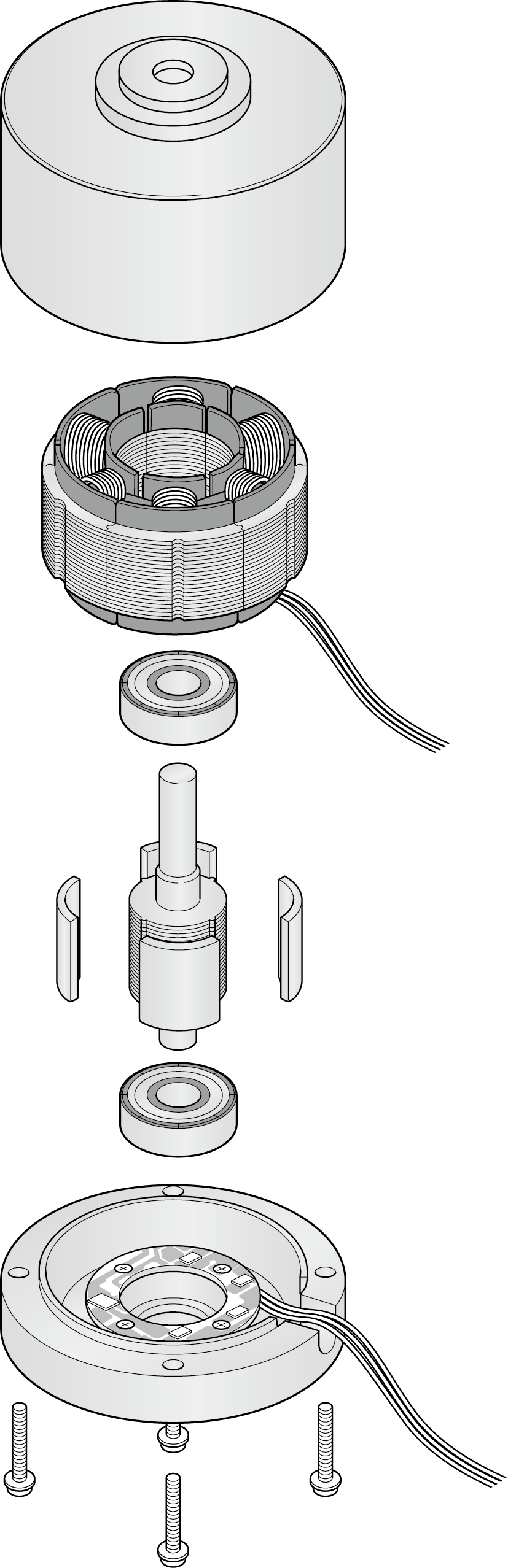
Adhesives contribute to the design and development of every electric drive motor. They play a key role not only in weight reduction, by enabling precise application in thin layers, but also by allowing designers to develop more compact assemblies instead of relying on heavy and bulky conventional gaskets.
They also contribute to reducing Noise, Vibration, and Harshness (NVH), an essential aspect of modern vehicle development. As electric vehicles become increasingly quiet, controlling unwanted noise and vibration is critical for both passenger comfort and vehicle safety. NVH optimization relies on selecting the right materials and components, including adhesives and sealants, to improve acoustic performance and reduce stress and fatigue caused by unwanted vibrations.
Adhesives also support manufacturing automation, as they can be seamlessly integrated into automated production lines using dedicated dispensing systems. This enables fast, accurate, and repeatable application while minimizing material consumption and improving production efficiency.
One of the most critical applications in electric drive motors is the bonding of rotor magnets. Magnet bonding is essential to prevent displacement or misalignment caused by the high centrifugal forces generated during motor operation.
The adhesive is applied in the gap between the permanent magnet and the laminated steel rotor. Once cured, it provides a strong and durable bond, ensuring the magnet remains securely positioned throughout the motor’s service life while accommodating thermal expansion and mechanical stresses.
The main adhesive technologies used for this application are acrylic adhesives and epoxy adhesives, which offer high mechanical strength, excellent durability, and outstanding resistance to heat, vibration, and other demanding operating conditions.

The stator is a key component of the electric drive motor, and its assembly directly influences the motor’s performance, efficiency, and durability. Traditionally, stator laminations are mechanically assembled; however, adhesive bonding technologies are increasingly used to improve overall motor performance.
Bonding the stator laminations helps reduce vibration and noise by limiting micro-movements between individual layers during operation. This contributes to improved NVH (Noise, Vibration, and Harshness) performance, which has become increasingly important as electric vehicles operate more quietly.
Adhesive bonding can also improve the structural integrity of the stator while maintaining precise positioning of the laminations. By reducing air gaps and improving contact between components, it can contribute to better heat transfer and more efficient thermal management.
In electric drive motors, the precise assembly of rotating components is essential to ensure reliability and long-term performance. Retaining compounds are widely used to secure cylindrical components such as bearings, bushings, sleeves, and shafts, providing a strong and reliable alternative to traditional mechanical assembly methods.
Unlike mechanical fasteners, retaining adhesives fill the microscopic gaps between mating surfaces, creating a uniform bond that improves load distribution and prevents component movement caused by vibration, shock, or thermal cycling.
Retaining compounds also help reduce wear by preventing fretting corrosion, a common issue caused by small movements between assembled metal parts. They can improve the overall durability of the assembly while maintaining precise alignment of rotating components.
Thanks to their high mechanical strength and excellent resistance to temperature and environmental conditions, retaining compounds are an effective solution for improving the reliability and efficiency of electric drive motor assemblies.
Bolts and nuts are found in almost every mechanical assembly, and electric drive motors are no exception. Threadlocking is an essential step to prevent fasteners from loosening during operation and to ensure reliable assembly over time.
Threadlockers not only prevent self-loosening caused by vibration and mechanical stress, but also help seal threads against fluids and protect them from corrosion and rust, improving the overall durability of the assembly.
Available in different strength levels, from low to medium and high strength, threadlockers can be selected according to the specific requirements of each application and maintenance process. Whether easy disassembly or permanent fixation is required, threadlocking solutions are an essential part of reliable electric motor design.

Motor housings and covers play a critical role in protecting internal components from environmental contaminants and operating fluids. Proper sealing prevents the ingress of water, oil, dust, and other contaminants that could compromise electronic components, reduce performance, or shorten the service life of the motor.
Depending on the application requirements, both RTV silicone sealants and liquid gaskets provide reliable sealing solutions for these assemblies, ensuring long-term protection against harsh operating conditions while maintaining motor reliability and efficiency.
Modern electronic assemblies are composed of numerous sensitive components, including sensors, inverters, connectors, and power electronics. Adhesives and sealants play a vital role in protecting these components through potting and encapsulation.
By preventing the ingress of moisture, dust, and other contaminants, they help ensure long-term reliability while also reducing the effects of shock and vibration. Depending on the formulation, they can also contribute to thermal management by dissipating heat generated by electronic components, extending the service life and overall performance of the assembly.
Thermal Interface Materials (TIMs) are essential for managing the heat generated by batteries and electronic components. Applied between heat-generating components and heat sinks or cooling systems, they improve thermal conductivity by filling microscopic air gaps, allowing heat to dissipate more efficiently.
Effective thermal management helps prevent overheating, protects sensitive components, improves system performance, and extends the service life of the entire system.
Broadly speaking, sealants and adhesives can be classified into different categories according to their specific applications, as shown below.
However, many applications require a precise understanding of the environment, their use, and even their method of distribution, which means that bonding and sealing solutions must be adapted or developed in-house.
Consequently, this table can only provide a general overview, and the choice of a solution should be discussed with one of our technical sales engineers in order to determine exactly which solution would be best suited to your needs !
Adhesives for Electric Drive Motors : applications guide
31/08/2026
In today’s automotive industry, many applications require careful adhesive and sealant selection. One of the biggest challenges in design is the electric drive motor. Due to its various components and harsh operating environment, many parts require powerful bonding solutions, while resins are needed to protect electronic components, which are becoming increasingly common in modern vehicles, against heat and moisture.
Adhesives and sealants are now becoming fully functional components instead of being seen only as assembly methods. It is no longer just a matter of strong bonding, but also of material composition, resistance to fluids and environmental conditions, as well as aesthetic requirements.
With the need to continuously improve manufacturing speed and reduce vehicle weight through lighter and more sustainable components, adhesives and sealants must also be considered for thermal management, vibration and shock resistance, and their electrical insulation or electrical conductivity properties.
Adhesives and sealants are now becoming fully functional components instead of being seen only as assembly methods. It is no longer just a matter of strong bonding, but also of material composition, resistance to fluids and environmental conditions, as well as aesthetic requirements.
With the need to continuously improve manufacturing speed and reduce vehicle weight through lighter and more sustainable components, adhesives and sealants must also be considered for thermal management, vibration and shock resistance, and their electrical insulation or electrical conductivity properties.
01. The use of adhesives and sealants inside Electric Drive Motors
Adhesives contribute to the design and development of every electric drive motor. They play a key role not only in weight reduction, by enabling precise application in thin layers, but also by allowing designers to develop more compact assemblies instead of relying on heavy and bulky conventional gaskets.
They also contribute to reducing Noise, Vibration, and Harshness (NVH), an essential aspect of modern vehicle development. As electric vehicles become increasingly quiet, controlling unwanted noise and vibration is critical for both passenger comfort and vehicle safety. NVH optimization relies on selecting the right materials and components, including adhesives and sealants, to improve acoustic performance and reduce stress and fatigue caused by unwanted vibrations.
Adhesives also support manufacturing automation, as they can be seamlessly integrated into automated production lines using dedicated dispensing systems. This enables fast, accurate, and repeatable application while minimizing material consumption and improving production efficiency.
Through these combined benefits, liquid adhesives and sealants enhance the reliability, durability, and overall efficiency of electric drive motors. They also help protect assemblies against corrosion, while delivering additional functional benefits such as electrical insulation, thermal management, and environmental sealing.
02. The use of adhesives and sealants inside Electric Drive Motors
a. Permanent magnet bonding
One of the most critical applications in electric drive motors is the bonding of rotor magnets. Magnet bonding is essential to prevent displacement or misalignment caused by the high centrifugal forces generated during motor operation.
The adhesive is applied in the gap between the permanent magnet and the laminated steel rotor. Once cured, it provides a strong and durable bond, ensuring the magnet remains securely positioned throughout the motor’s service life while accommodating thermal expansion and mechanical stresses.
The main adhesive technologies used for this application are acrylic adhesives and epoxy adhesives, which offer high mechanical strength, excellent durability, and outstanding resistance to heat, vibration, and other demanding operating conditions.
Related pages
b. Stator assembly and lamination bonding
The stator is a key component of the electric drive motor, and its assembly directly influences the motor’s performance, efficiency, and durability. Traditionally, stator laminations are mechanically assembled; however, adhesive bonding technologies are increasingly used to improve overall motor performance.
Bonding the stator laminations helps reduce vibration and noise by limiting micro-movements between individual layers during operation. This contributes to improved NVH (Noise, Vibration, and Harshness) performance, which has become increasingly important as electric vehicles operate more quietly.
Adhesive bonding can also improve the structural integrity of the stator while maintaining precise positioning of the laminations. By reducing air gaps and improving contact between components, it can contribute to better heat transfer and more efficient thermal management.
Related pages
c. Shaft and bearing retaining
In electric drive motors, the precise assembly of rotating components is essential to ensure reliability and long-term performance. Retaining compounds are widely used to secure cylindrical components such as bearings, bushings, sleeves, and shafts, providing a strong and reliable alternative to traditional mechanical assembly methods.
Unlike mechanical fasteners, retaining adhesives fill the microscopic gaps between mating surfaces, creating a uniform bond that improves load distribution and prevents component movement caused by vibration, shock, or thermal cycling.
Retaining compounds also help reduce wear by preventing fretting corrosion, a common issue caused by small movements between assembled metal parts. They can improve the overall durability of the assembly while maintaining precise alignment of rotating components.
Thanks to their high mechanical strength and excellent resistance to temperature and environmental conditions, retaining compounds are an effective solution for improving the reliability and efficiency of electric drive motor assemblies.
Related pages
d. Threadlocking
Bolts and nuts are found in almost every mechanical assembly, and electric drive motors are no exception. Threadlocking is an essential step to prevent fasteners from loosening during operation and to ensure reliable assembly over time.
Threadlockers not only prevent self-loosening caused by vibration and mechanical stress, but also help seal threads against fluids and protect them from corrosion and rust, improving the overall durability of the assembly.
Available in different strength levels, from low to medium and high strength, threadlockers can be selected according to the specific requirements of each application and maintenance process. Whether easy disassembly or permanent fixation is required, threadlocking solutions are an essential part of reliable electric motor design.
Related pages
e. Sealing motor housings
Motor housings and covers play a critical role in protecting internal components from environmental contaminants and operating fluids. Proper sealing prevents the ingress of water, oil, dust, and other contaminants that could compromise electronic components, reduce performance, or shorten the service life of the motor.
Depending on the application requirements, both RTV silicone sealants and liquid gaskets provide reliable sealing solutions for these assemblies, ensuring long-term protection against harsh operating conditions while maintaining motor reliability and efficiency.
Related pages
f. Potting and encapsulation
Modern electronic assemblies are composed of numerous sensitive components, including sensors, inverters, connectors, and power electronics. Adhesives and sealants play a vital role in protecting these components through potting and encapsulation.
By preventing the ingress of moisture, dust, and other contaminants, they help ensure long-term reliability while also reducing the effects of shock and vibration. Depending on the formulation, they can also contribute to thermal management by dissipating heat generated by electronic components, extending the service life and overall performance of the assembly.
Related pages
g. Thermal Interface Materials (TIM)
Thermal Interface Materials (TIMs) are essential for managing the heat generated by batteries and electronic components. Applied between heat-generating components and heat sinks or cooling systems, they improve thermal conductivity by filling microscopic air gaps, allowing heat to dissipate more efficiently.
Effective thermal management helps prevent overheating, protects sensitive components, improves system performance, and extends the service life of the entire system.
Related pages
03. Which adhesive technology is right for your application?
Broadly speaking, sealants and adhesives can be classified into different categories according to their specific applications, as shown below.
| Technology | Main Applications |
|---|---|
| Epoxy | Magnet bonding, structural bonding |
| Acrylic | Magnet bonding |
| Anaerobic | Threadlocking, retaining |
| RTV Silicone | Sealing (FIPG, housings, covers) |
| Liquid Gasket | Flange sealing, engine sealing, threaded joints |
| UV Adhesive | Sensors, electronic components |
| Potting Compounds | Electronic encapsulation and protection |
Consequently, this table can only provide a general overview, and the choice of a solution should be discussed with one of our technical sales engineers in order to determine exactly which solution would be best suited to your needs !
Featured articles
These articles might also interest you